
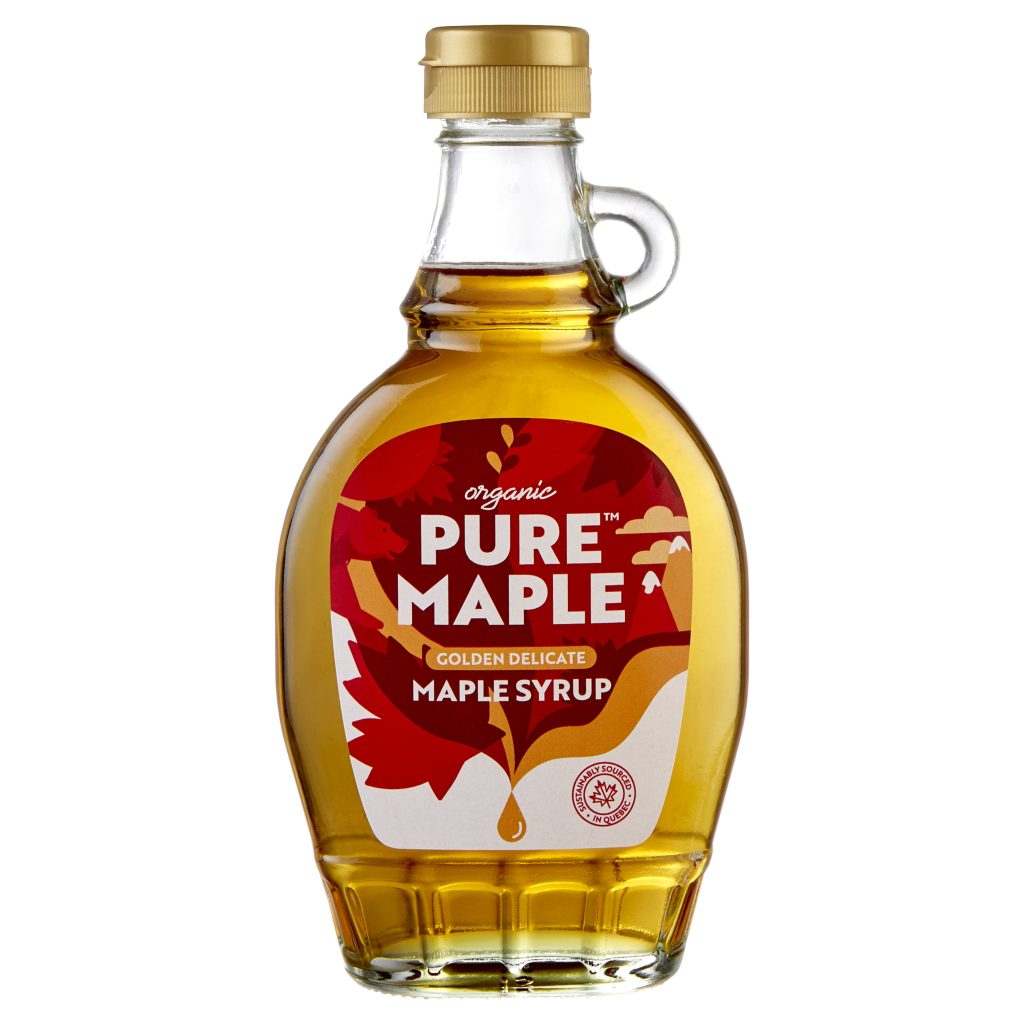
Consumers given guidance on pure maple syrup
A food and lifestyle journalist has penned an article aimed at guiding consumers in the direction of 100% pure maple syrup.
With so many syrups to choose from in the supermarket aisles and online, some customers may mistakenly choose products such as pancake syrup rather than the organic Canadian maple syrup that they were looking for. Pure maple syrup is significantly richer in nutrients than these alternative products, as well as registering a lower glycemic index.
Now, Chris Malloy, who has worked for publications such as Bloomberg and the Guardian, has issued a warning to shoppers.
Writing on the Real Simple platform, Malloy explained:
“Most fake products on the grocer’s breakfast food aisle are labeled ‘breakfast syrup’ or ‘pancake syrup’ and, despite claims of being ‘maple-flavoured’ are not derived from the sap of maple trees.”
The award-winning wordsmith suggested that manufacturers create a similarly sweet and sticky taste and texture various sweeteners, artificial coloring and water.
Canada and the United States have different guidelines for how their maple syrup is marketed. North of the border, maple syrup must be made wholly from maple sap, with the syrup having at least a 66% density to be referred to as maple syrup in marketing materials. In the US, maple syrup must be made almost entirely from sap, but there is permission for small volumes of other substances and flavourings to be added.
Maple syrup has a grading system that allows consumers to choose the right variety for each use of the ingredient.
